Oct 10, 2026Manufacturing
How Ceramic Tableware Is Made: From Clay to Kiln
A walk through the ceramic production line - body preparation, forming, glazing, firing and the quality gates in between - and what each stage means for buyers.
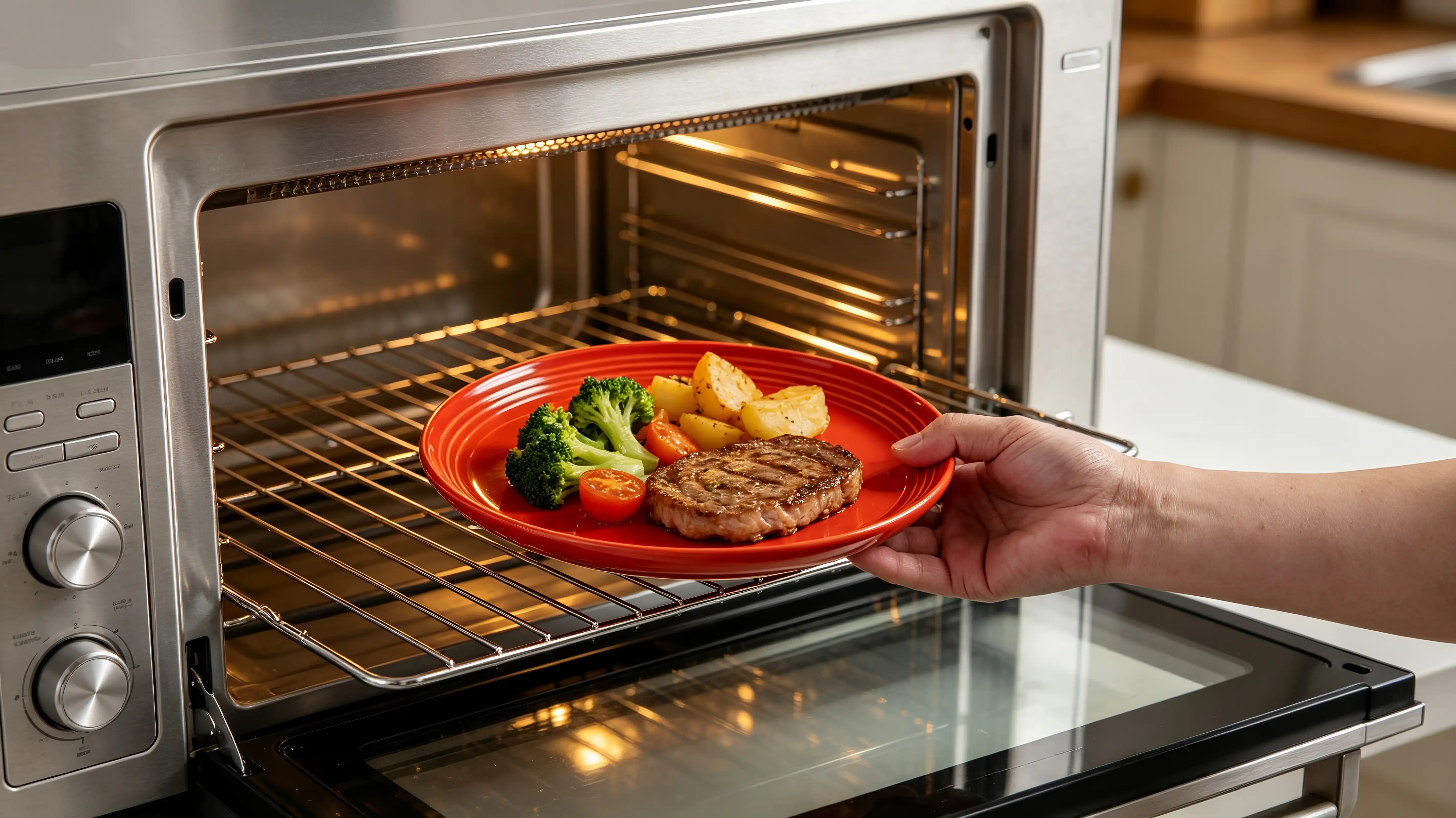
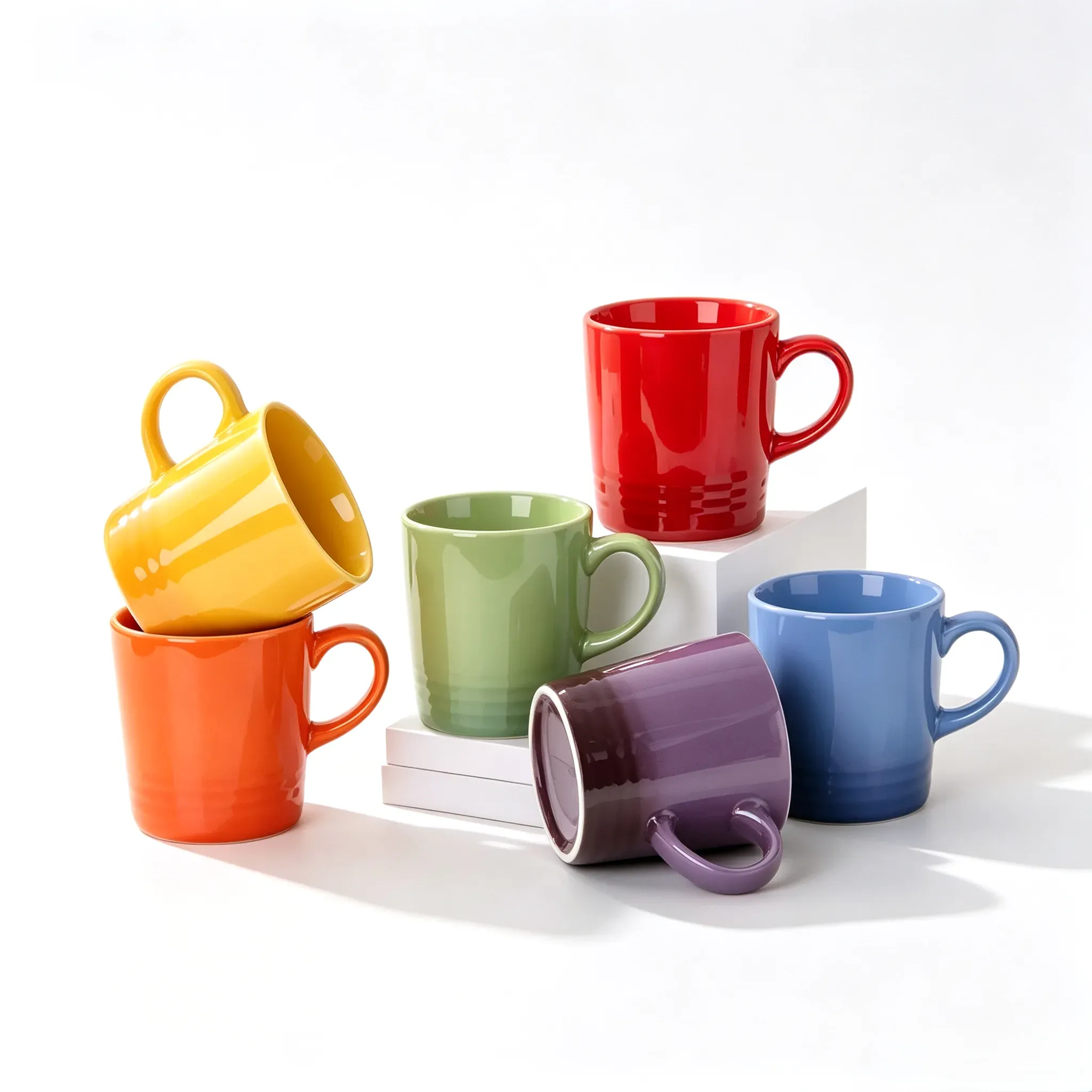
Every ceramic mug, plate and bowl follows the same essential journey: raw material becomes a shaped body, the body receives a glaze, and the kiln turns both into a single, durable piece. Understanding the stages helps buyers ask the right questions at each step.
Body preparation
The process starts with the ceramic body itself - the blend of clays and minerals that gives the finished piece its colour, strength and feel. The body is prepared and conditioned until it is uniform and workable, because inconsistency here shows up later as warping or colour drift in the kiln.
Forming the shape
Forming turns the prepared body into plates, bowls and mug bodies. Depending on the product, forming can involve pressing the body into a mould, casting it as a liquid slip, or shaping it on a rotating wheel. Each method suits different geometries: flat plates and simple bowls behave differently from tall mugs with handles.
Glazing: colour, texture and safety
The glaze is the glass-like surface layer that carries colour and pattern and seals the body against moisture. It is also the stage that matters most for food-contact safety, because traditional glazes could contain lead or cadmium. Our ceramic dinnerware and mugs are glazed to be lead- and cadmium-free and are made to meet FDA, California Proposition 65 and EU health and safety standards. Reactive glazes, like the six-colour finish on our dinner sets and mugs, develop their depth and variation during firing.
Firing: where clay becomes ceramic
In the kiln, the glazed body is fired at high temperature. The heat vitrifies the body and melts the glaze into a smooth, sealed surface, fusing the two into one piece. Firing is also where reactive glazes find their final colour - which is why two pieces from the same pattern can carry subtle natural variation.
Quality gates along the line
Quality control is not a single inspection at the end; it runs through the whole line. In our factory, dedicated IQC, IPQC and FQC teams check incoming materials, in-process production and finished goods, under a quality system certified to ISO 9001, ISO 14001 and OHSAS 18001. Pieces that fail a gate are pulled before they reach a carton.
From our line to your shelf
A working production line also has to be a working development partner. Our in-house design team follows a structured lifecycle - Planning, Approval, Implementation, Analysis and Verification - and launches over 80 new products a year, from everyday tableware to seasonal collections. If you would like to see how a specific product moves through these stages, contact us with your requirements.
Consistency is built at every stage, not inspected in at the last one.