Oct 13, 2026Buying Guides
Reactive Glaze Ceramics — Buyer’s Handbook
Learn how to source reactive-glaze ceramic tableware safely, consistently and with low risk.
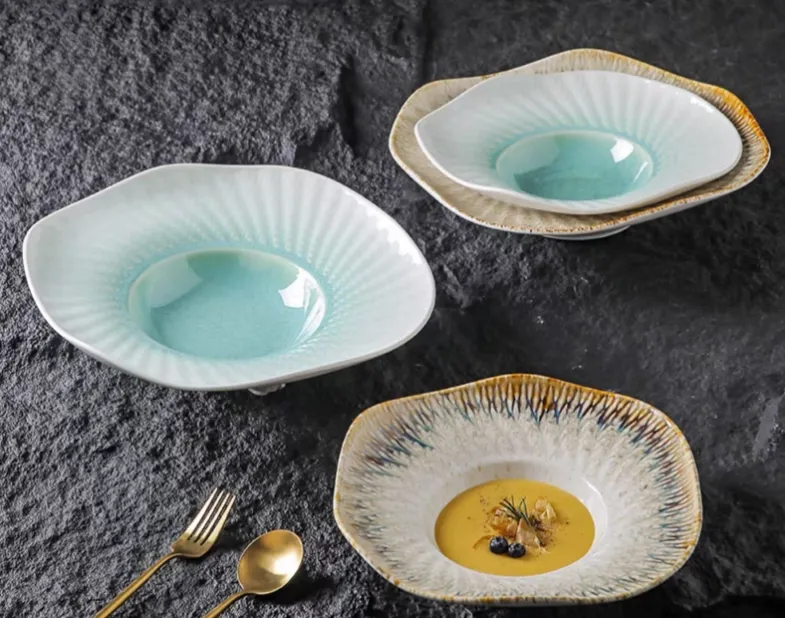
Reactive‑glaze item is one of the fastest‑growing ceramic categories. Its organic colour shifts, subtle surface variations and dishwasher‑safe durability make it ideal for everyday dinner sets, gift mugs and seasonal collections. For importers new to this finish, understanding production limits, quality benchmarks and order planning helps avoid unexpected delays or product inconsistencies.
What Is Reactive‑Glaze Ceramic
Unlike colour glazes, reactive glazes interact chemically during high‑temperature kiln firing. Each piece develops unique gradients, speckles and soft colour transitions. No two items are exactly identical. This intentional variation is the core selling feature, yet it is also the most frequent source of buyer‑supplier misunderstanding.
Leartao’s reactive‑glaze range uses food‑safe, lead‑and‑cadmium‑free stoneware body, compliant with FDA, California Proposition 65 and EU food‑contact requirements. All items are formulated for daily home use: dishwasher‑safe, microwave‑compatible and suitable for most oven‑to‑table applications.
Key Quality Points for Wholesale Evaluation
When sampling or inspecting reactive‑glaze shipments, evaluate against these four practical criteria:
1. Acceptable colour variance
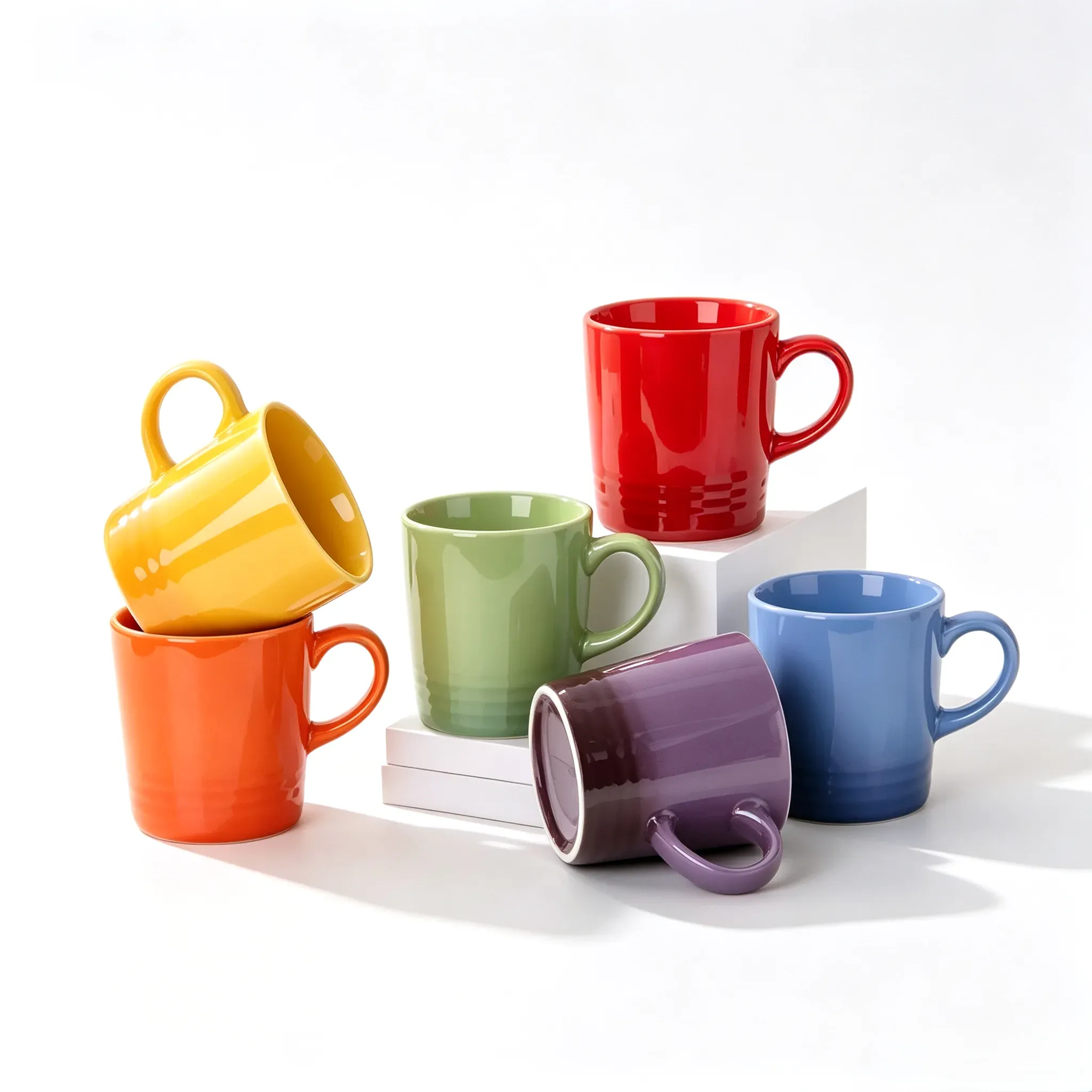
Subtle shade difference between cups, plates or sets is normal. Major discoloration, bare un‑glazed patches or heavy pin‑holing count as defects. Define your tolerance level before mass‑production. Share reference approved‑sample sets with your factory to align expectations.
2. Glaze stability
High‑quality reactive glaze must resist fading under repeated dishwasher cycles. Ask your supplier for accelerated wash test reports for your target market. Low‑cost reactive formulas can shift tone after dozens of household washes.
3. Edge and base finishing
Rough un‑smoothed rims or sharp foot‑ring edges create customer complaints. Check that all pieces have smoothly ground bases to prevent scratching tabletops.
4. Size & shape consistency
Glaze flow in the kiln can minimally alter dimensions. For dinner‑set matching, confirm allowed dimensional deviation with your manufacturer at the sampling phase.
Sampling Best Practices for Reactive‑Glaze Orders
Standard pre‑production single sample often cannot fully represent reactive‑glaze batch variation. We recommend this workflow:
1. Request sample for colour direction.
2. Follow‑up with a small batch sample run of 8‑12 finished pieces, to view the natural colour range you will receive in bulk goods.
3. Lock your “golden sample set” including examples of minimum‑, medium‑ and maximum‑variation pieces for QC reference.
MOQ, Lead‑time & Cost Considerations
Reactive‑glaze production imposes special manufacturing constraints:
- Kiln loading density is lower than colour glaze ceramics, which partially affects unit pricing.
- Colour formula adjustments require full kiln test runs; quick minor colour tweaks are rarely possible.
- Lead‑times may extend slightly vs plain‑glaze lines, especially for custom‑developed reactive shades.
At Leartao, we offer flexible project‑based MOQ for reactive‑glaze collections. New custom reactive colour development typically requires dedicated R&D kiln trials; our in‑house design team will outline trial costs and timelines during quotation.